aperta
1956: The term AI is coined
1957: The first AI computer program was released
1980s: Machine learning develops
2010s: Deep learning starts working
2020s: Generative AI explodes
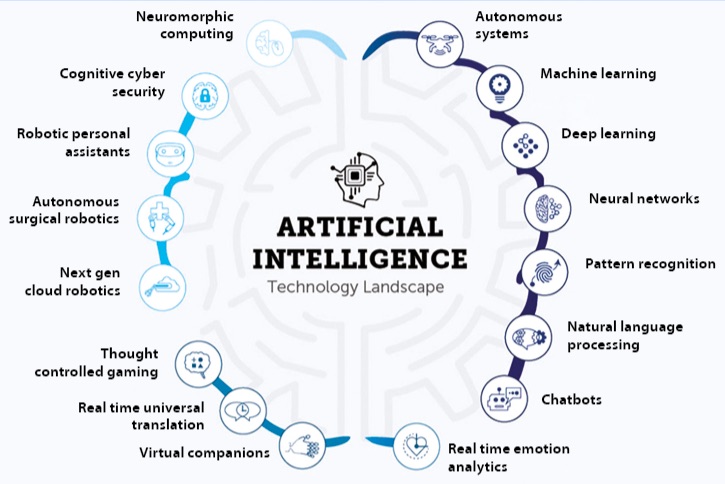
Narrow AI, also known as artificial narrow intelligence (ANI) or , describes AI tools designed to carry out very specific actions or commands. They are built to serve and excel in one cognitive capability and cannot independently learn skills beyond their design. All AI systems used today fall under the category of narrow AI; some examples include chatbots, self-driving cars, AI virtual assistants, and software like ChatGPT.
Artificial general intelligence (AGI), also called general AI or , refers to a form of AI that can learn, think, and perform a wide range of tasks at a human level. The ultimate goal of AGI is to create machines that are capable of versatile, human-like intelligence, able to solve problems and learn new skills in ways similar to our own. However, this type of AI is theoretical for now: strong AI systems don’t actually exist yet.
If weak AI automates specific tasks better than humans, and strong AI thinks and behaves with the same agility of humans, you may be wondering where artificial intelligence can go from there. And the answer is: . A superintelligent machine would be completely self-aware and surpass the likes of human intelligence in practically every way. Fortunately, like artificial general intelligence, it is complete science fiction (for now).
Adapted from:
13.1. Can you give other examples of weak AI? aperta
Narrow AI, also known as artificial narrow intelligence (ANI) or , describes AI tools designed to carry out very specific actions or commands. They are built to serve and excel in one cognitive capability and cannot independently learn skills beyond their design. All AI systems used today fall under the category of narrow AI; some examples include chatbots, self-driving cars, AI virtual assistants, and software like ChatGPT.
Artificial general intelligence (AGI), also called general AI or , refers to a form of AI that can learn, think, and perform a wide range of tasks at a human level. The ultimate goal of AGI is to create machines that are capable of versatile, human-like intelligence, able to solve problems and learn new skills in ways similar to our own. However, this type of AI is theoretical for now: strong AI systems don’t actually exist yet.
If weak AI automates specific tasks better than humans, and strong AI thinks and behaves with the same agility of humans, you may be wondering where artificial intelligence can go from there. And the answer is: . A superintelligent machine would be completely self-aware and surpass the likes of human intelligence in practically every way. Fortunately, like artificial general intelligence, it is complete science fiction (for now).
Adapted from:
13.2. What would you like AI to do? aperta
Narrow AI, also known as artificial narrow intelligence (ANI) or , describes AI tools designed to carry out very specific actions or commands. They are built to serve and excel in one cognitive capability and cannot independently learn skills beyond their design. All AI systems used today fall under the category of narrow AI; some examples include chatbots, self-driving cars, AI virtual assistants, and software like ChatGPT.
Artificial general intelligence (AGI), also called general AI or , refers to a form of AI that can learn, think, and perform a wide range of tasks at a human level. The ultimate goal of AGI is to create machines that are capable of versatile, human-like intelligence, able to solve problems and learn new skills in ways similar to our own. However, this type of AI is theoretical for now: strong AI systems don’t actually exist yet.
If weak AI automates specific tasks better than humans, and strong AI thinks and behaves with the same agility of humans, you may be wondering where artificial intelligence can go from there. And the answer is: . A superintelligent machine would be completely self-aware and surpass the likes of human intelligence in practically every way. Fortunately, like artificial general intelligence, it is complete science fiction (for now).
Adapted from:
13.3. Would you be in favour of achieving strong AI or superintelligence? aperta
Narrow AI, also known as artificial narrow intelligence (ANI) or , describes AI tools designed to carry out very specific actions or commands. They are built to serve and excel in one cognitive capability and cannot independently learn skills beyond their design. All AI systems used today fall under the category of narrow AI; some examples include chatbots, self-driving cars, AI virtual assistants, and software like ChatGPT.
Artificial general intelligence (AGI), also called general AI or , refers to a form of AI that can learn, think, and perform a wide range of tasks at a human level. The ultimate goal of AGI is to create machines that are capable of versatile, human-like intelligence, able to solve problems and learn new skills in ways similar to our own. However, this type of AI is theoretical for now: strong AI systems don’t actually exist yet.
If weak AI automates specific tasks better than humans, and strong AI thinks and behaves with the same agility of humans, you may be wondering where artificial intelligence can go from there. And the answer is: . A superintelligent machine would be completely self-aware and surpass the likes of human intelligence in practically every way. Fortunately, like artificial general intelligence, it is complete science fiction (for now).
Adapted from:
13.4. What advantages or disadvantages would there be? aperta
Narrow AI, also known as artificial narrow intelligence (ANI) or , describes AI tools designed to carry out very specific actions or commands. They are built to serve and excel in one cognitive capability and cannot independently learn skills beyond their design. All AI systems used today fall under the category of narrow AI; some examples include chatbots, self-driving cars, AI virtual assistants, and software like ChatGPT.
Artificial general intelligence (AGI), also called general AI or , refers to a form of AI that can learn, think, and perform a wide range of tasks at a human level. The ultimate goal of AGI is to create machines that are capable of versatile, human-like intelligence, able to solve problems and learn new skills in ways similar to our own. However, this type of AI is theoretical for now: strong AI systems don’t actually exist yet.
If weak AI automates specific tasks better than humans, and strong AI thinks and behaves with the same agility of humans, you may be wondering where artificial intelligence can go from there. And the answer is: . A superintelligent machine would be completely self-aware and surpass the likes of human intelligence in practically every way. Fortunately, like artificial general intelligence, it is complete science fiction (for now).
Adapted from:
13.5. What do you think strong AI or superintelligence could be used for? aperta
Narrow AI, also known as artificial narrow intelligence (ANI) or , describes AI tools designed to carry out very specific actions or commands. They are built to serve and excel in one cognitive capability and cannot independently learn skills beyond their design. All AI systems used today fall under the category of narrow AI; some examples include chatbots, self-driving cars, AI virtual assistants, and software like ChatGPT.
Artificial general intelligence (AGI), also called general AI or , refers to a form of AI that can learn, think, and perform a wide range of tasks at a human level. The ultimate goal of AGI is to create machines that are capable of versatile, human-like intelligence, able to solve problems and learn new skills in ways similar to our own. However, this type of AI is theoretical for now: strong AI systems don’t actually exist yet.
If weak AI automates specific tasks better than humans, and strong AI thinks and behaves with the same agility of humans, you may be wondering where artificial intelligence can go from there. And the answer is: . A superintelligent machine would be completely self-aware and surpass the likes of human intelligence in practically every way. Fortunately, like artificial general intelligence, it is complete science fiction (for now).
Adapted from:
13.6. Would there be any ethical implications or any risks? aperta